
Women’s 3 Piece Workout Set – Sports Bra, Leggings & Jacket with Thumbholes – Yoga Outfit Active
$42.98
View on Amazon →

Published 17 September 2026 · updated 2026-09-17 · by FashionBookings
Most activewear fails within six months of hard use — not because you're tough on it, but because the construction was never built for real training. Choose activewear with at least 10–20% elastane, flatlock seams, and a moisture-wicking fabric matched to your activity, and it will last years, not seasons.
The average gym kit gets washed three or four times a week. That's more laundry cycles in a year than most everyday clothing sees in five. Seams degrade, elastane breaks down, dyes fade, and any weakness in the construction becomes obvious within months.
Price alone is a poor predictor of durability. A mid-range piece with the right fabric and solid seam construction will outlast a premium-branded top that's all marketing and no engineering. Knowing what to look for shifts the advantage to you.
Activewear uses a short list of core fibres, almost always blended. Understanding what each does lets you read a care label before buying rather than discovering the problem six weeks later.
Polyester is the workhorse. It's light, wicks moisture away from the skin, dries quickly, and holds its shape wash after wash. The trade-off is that it can hold odour over time if not washed promptly after sessions.
Nylon is softer and more abrasion-resistant than polyester. You'll see it used in higher-end pieces or in high-wear zones such as the seat and inner thigh of leggings. It wicks moisture just as effectively and has a noticeably more premium handle.
Elastane — also sold as Lycra or spandex — is the stretch component. Look for at least 10% for general training. Yoga, Pilates, or any activity with extreme ranges of motion benefits from 15–25%. Without sufficient elastane, leggings lose their compression hold after repeated washing and tops ride up mid-session.
Merino wool blends appear in running and outdoor base layers. Merino regulates temperature naturally, resists odour far better than synthetics, and stays comfortable against the skin even when damp. It suits cold-weather outdoor training better than a hot gym environment, and it requires a gentler wash cycle than synthetics.
A composition of around 85% polyester and 15% elastane is a reliable all-purpose training mix. Anything below 10% elastane tends to lose its shape within a few months. A label reading simply "100% polyester" with no elastane content is a leisure top, not a training piece.
The fabric gets the marketing attention, but the seams decide how long a piece actually lasts.
Flatlock seams lie flat against the skin rather than creating a raised ridge. They eliminate the chafing point that develops on long runs or high-rep sessions, and they're a sign of considered construction — they take longer and cost more to produce. Check the inside of any legging or base layer before buying: a thick, raised interior seam will cause irritation during extended training and is more likely to split under repeated stress.
Overlock seams are faster and cheaper to produce. They're acceptable for low-intensity or very short sessions but are a limiting factor for anyone training seriously more than twice a week.
A gusseted crotch — an extra diamond or triangular panel at the inseam — prevents seam failure during lunges, squats, and dynamic movements. It's a small detail that separates leggings engineered for the gym from leggings that happen to stretch.
Reinforced stitching at the waistband join, pocket openings, and strap attachments is equally telling. These are the stress points that give way first when construction corners are cut.
One style of activewear does not suit every training context. Buying the wrong cut for your activity is one of the most common and avoidable mistakes, and no amount of fabric quality compensates for it.
| Activity | Best Fit | Features to Prioritise |
|---|---|---|
| Weightlifting | Relaxed to fitted | Stretch at hips and shoulders, no bunching at the waist |
| HIIT / Circuits | Fitted | Flatlock seams, full moisture-wicking, secure waistband |
| Running | Fitted | Gusseted inseam, secure phone pocket, reflective trim |
| Yoga / Pilates | Compressive, 4-way stretch | High waistband, smooth interior seams |
| Cycling | Compressive | Chamois-compatible shorts, grip hems |
| Cold-weather outdoor | Layered | Thermal base layer, wind-resistant outer shell |
For strength training, a relaxed fit through the shoulders and hips allows full range of motion without restricting bench press or overhead movements. For running, a close-fitting silhouette reduces wind resistance and prevents excess fabric from flapping during arm drive.
Hold a pair of leggings at the waistband and pull firmly downward. A quality waistband snaps back immediately with no visible distortion. One that stretches out and takes several seconds to recover will fold over during squats or a brisk run — by far the most common complaint with budget leggings, and one that no amount of washing fixes once the elastic has gone.
"Moisture-wicking" appears on almost every activewear label, but it describes a spectrum rather than a single standard.
True moisture-wicking pulls sweat away from the skin and spreads it across a wider surface area so it can evaporate. This keeps you cooler during cardio and prevents the cold, clammy sensation during rest intervals. Tightly woven synthetic fabrics do this well. Loosely woven cotton does the opposite — it absorbs moisture and holds it against the skin.
Avoid cotton for any session above a gentle walk. Cotton gym wear feels comfortable in a shop but becomes heavy, cold, and uncomfortable once saturated with sweat. For high-intensity training, a technical synthetic blend is always the more practical choice, regardless of how the cotton is marketed.
For outdoor running in the UK, a DWR (Durable Water Repellent) coating on the outer layer is worth seeking out. It won't keep you fully dry in a downpour, but it sheds light drizzle and buys you meaningful time. DWR treatments do degrade with washing and can be partially restored by tumble drying on a low heat after each wash.
Wide mesh cut-outs look ventilated but provide little compression or structural support, and they snag readily on rough gym benches, seat-pad Velcro, or the grip of a barbell rack. Laser-perforated fabric or engineered ventilation zones knitted into the structure deliver airflow without creating a structural weak point in the garment.
Before buying any activewear piece, run through these checks — most can be done in a changing room or by reading the product listing carefully online.
Activewear degrades faster than most clothing simply because it's washed more frequently under harder conditions. The right laundry habits extend the life of even moderate-quality kit.
Wash at 30°C. Higher temperatures accelerate elastane breakdown and cause synthetic fabrics to pill. Modern detergents clean effectively at cool temperatures — there's no performance benefit to going hotter.
Skip fabric softener entirely. It coats the fibres and clogs the moisture-wicking channels built into the fabric. Over time it makes technical fabric less breathable and more prone to retaining odour — the opposite effect to the one you want.
Turn garments inside out before washing. This protects the outer surface and reduces friction-based pilling against other items in the drum.
Air dry where possible. High-heat tumble drying is one of the fastest ways to destroy elastane. Technical synthetics dry quickly anyway — a short spin cycle and an hour on an airer handles most pieces, even in a UK winter kitchen.
The real cost of activewear is the purchase price divided by the number of sessions you get from it before it needs replacing. Framing the decision this way changes which choice is actually economical.
A piece that lasts 300 sessions costs far less per use than a cheaper alternative that degrades after 60 — even before you factor in the time spent shopping for replacements. The maths consistently favour fewer, better pieces over a rotating stock of cheap substitutes.
A practical training wardrobe for most people is three or four interchangeable pieces per activity. That's enough to train daily without waiting on the laundry. Neutral colours maximise flexibility across sessions; building around a consistent colour system helps keep categories visually separate without buying duplicate kit you don't need.


See-through fabric usually means low fabric density or insufficient elastane relative to the base fibre. Before buying, hold the fabric up to a light source — if you can see your hand clearly, it will worsen after washing. Wash inside-out at 30°C, avoid tumble drying on high heat, and skip fabric softener entirely. Softener degrades synthetic fibres over time and accelerates the problem rather than solving it.
The deciding factor is value per wear, not the upfront price. A well-constructed piece with flatlock seams, elastane above 10%, and a genuine moisture-wicking blend will outlast multiple rounds of cheaper replacements. For anyone training more than three times a week, buying fewer better pieces is more economical in the long run — and the difference in comfort and performance is noticeable from the very first session, not just over time.
For UK conditions, a polyester-elastane blend with a DWR (Durable Water Repellent) finish handles light rain and wicks sweat effectively across most of the year. In winter, a thin thermal base layer beneath a wind-resistant outer adds insulation without bulk. Merino wool blends suit slow outdoor efforts in cold weather very well but are less practical for high-intensity running because they dry more slowly than synthetics.
Replace a piece when it loses function rather than by age. The clear signals are: elastane no longer holds compression after washing, fabric becomes see-through, the waistband folds over during exercise, or seams start to fray or pull away. With proper care — cool washing, no softener, air drying — quality activewear should maintain its performance through well over a year of regular, frequent training before those signs appear.
As an Amazon Associate we earn from qualifying purchases. Prices and availability are accurate as of the date shown and are subject to change — the price on Amazon at checkout is the one that applies.
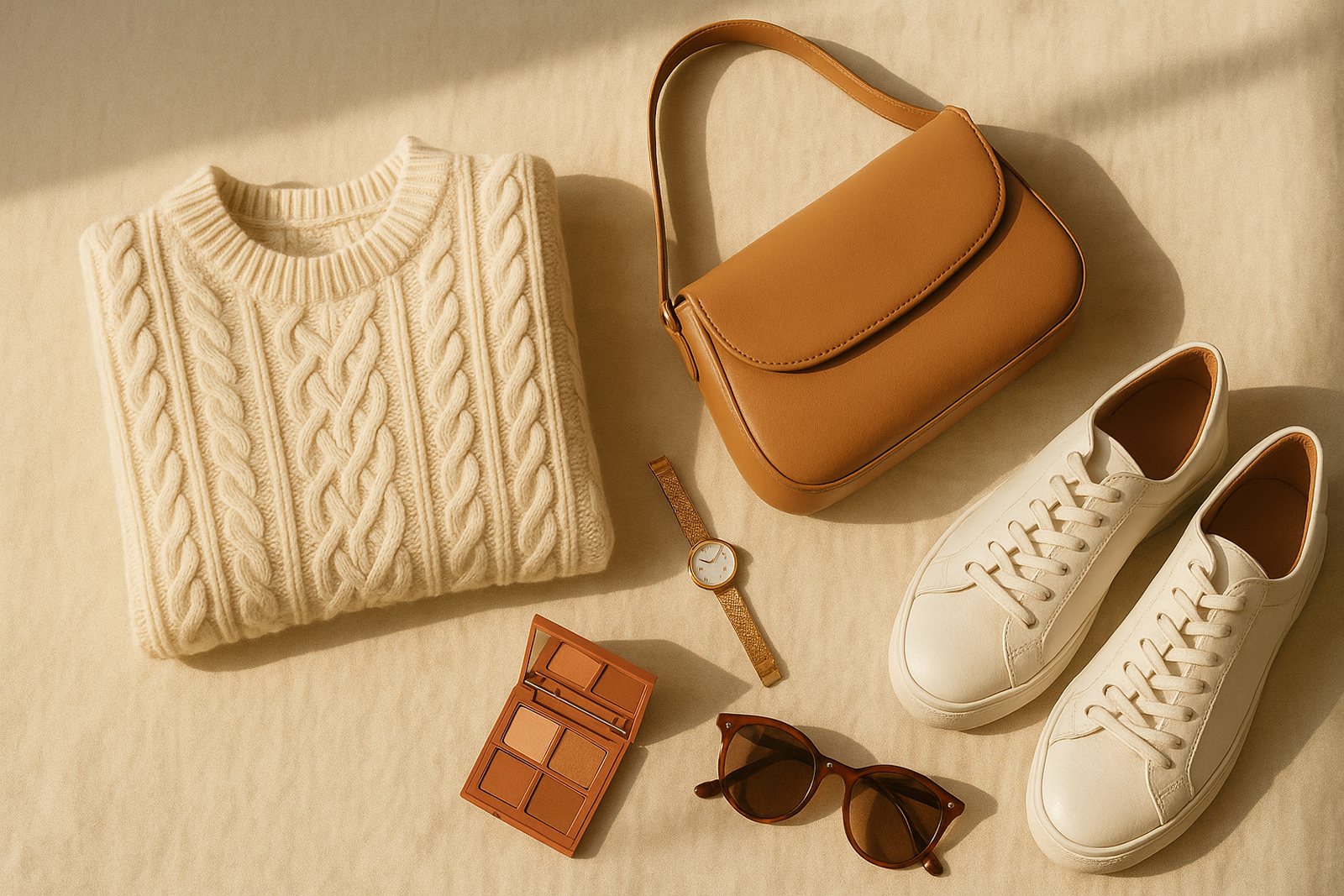
Women's US fashion worth buying this month: knit tops and sweaters from £9.99–£31.69, rated 4.1–4.6 stars, plus how to spot fake d
Find the best women's activewear leggings sets for under $40 — what to check for fabric quality, support, fit, and value before yo
How to choose activewear that lasts through hard training: fabric blends, seam construction, fit by activity and washing tips for