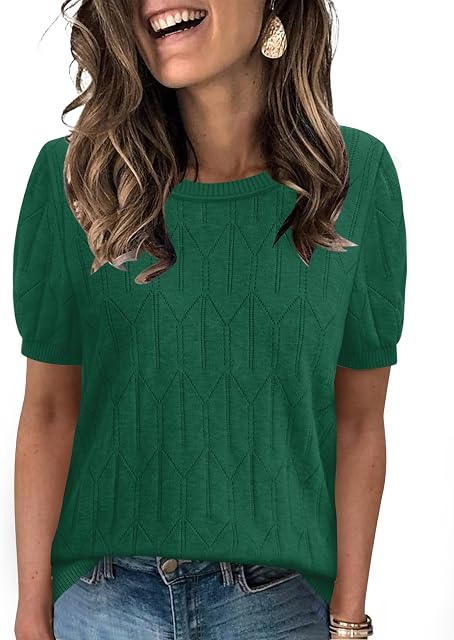
Sampeel Short Sleeve Sweater for Women Round Neck Knit Work Tops Beach Fashion Vacation Clothes
$9.99
View on Amazon →

Published 17 September 2026 · updated 2026-09-17 · by FashionBookings
Half the clothes that look faded, stretched or shapeless in your wardrobe weren't worn out — they were washed wrong. Following the correct washing rules for each fabric type is the single most effective thing you can do to extend the life of your women's clothing.
That small strip of fabric stitched into your collar or side seam isn't decoration — under UK law, garments sold here must carry care instructions, and every symbol on the label corresponds to a specific wash, dry or iron action.
The five core care symbols are:
A bar underneath any washtub or tumble-dryer symbol means gentle or reduced agitation. Two bars means very gentle. Learn these six or seven symbols once and you will never need to guess again.
New garments — especially dark or brightly dyed items — should be checked for any "wash separately" advisory. Dye transfer in the first two or three washes is common and can permanently stain lighter pieces washed in the same load.
Most people sort into lights and darks, which is a reasonable start. A more useful system adds a third pile: delicates, anything with a special wash symbol, and new items in strong colours.
By colour:
By fabric weight:
Towels and heavyweight denim produce significant lint and friction during a cycle. Washing them alongside lightweight jerseys, fine knits or activewear causes pilling and surface abrasion. Keep heavy fabrics separate from fine ones wherever possible.
Turn dark denim, black leggings and any garment prone to fading inside-out before loading the drum. This reduces direct contact between the dyed face of the fabric and the machine drum, slowing colour loss noticeably over time.
Modern detergents are formulated to work at 30°C. Washing most of your wardrobe at 40°C or above is unnecessary for everyday lightly soiled items, and the extra heat accelerates fibre breakdown, colour fading and elastic degradation with each cycle.
| Fabric type | Recommended wash temp | Notes |
|---|---|---|
| Cotton basics (t-shirts, underwear) | 30–40°C | 40°C for heavy soiling only |
| Dark synthetics (polyester, nylon) | 30°C | Higher temps degrade elastic fibres |
| Wool and wool blends | 30°C or wool programme | Agitation + heat = irreversible felting |
| Linen | 40°C | Can tolerate 60°C if heavily soiled |
| Silk and fine knits | 30°C or hand wash | Always confirm on the label |
| Activewear and gym wear | 30°C | High heat damages water-repellent finishes |
| Bedding and towels | 60°C | Heat kills dust mites |
| White cotton (heavily stained) | 60°C | Only when genuinely necessary |
A practical rule: if the care label allows 40°C and there is no real soiling or hygiene requirement, wash at 30°C. It is kinder to the fabric and reduces microfibre shedding from synthetics — a growing concern in UK waterways.
It is easy to accidentally run a wool-safe garment through a cotton pre-set at 60°C, especially when loading in a hurry and not confirming the dial position. Wool felts irreversibly above 40°C when combined with drum agitation, and the damage cannot be undone. Always check the temperature shown on the machine display, not just the programme name — some cotton quick-wash presets default higher than you would expect.
Overdosing detergent is among the most common laundry mistakes. Excess product does not rinse cleanly from fibres — it builds up over successive washes, making clothes feel stiff and causing them to attract more dirt between wears.
Check the dosing guide on the pack against your machine's drum capacity, shown in kilograms in the manual or on the door. Hard water areas — which covers most of England and parts of Wales — generally call for a slightly higher dose than soft water areas such as Scotland and much of the north-west.
Detergent types at a glance:
Liquid detergents dissolve more reliably in cold and low-temperature washes and are less likely to leave white residue on dark items than powder. Pre-dosed capsules are convenient but inflexible — a full capsule on a small load overdoses the wash, and there is no way to adjust for water hardness.
Most UK washing machines offer more programmes than most people ever select. A few worth knowing:
Delicate/Gentle: lower agitation and reduced spin speed. Use for anything labelled with the gentle-wash symbol (one or two bars beneath the washtub).
Quick wash (15–30 minutes): useful only for lightly worn garments that need freshening, not for genuinely dirty clothing. Short cycles at lower temperatures do not penetrate fabric fibres effectively enough to remove real soiling or odour.
Wool programme: very low agitation, 30°C or cold fill, slow spin. Use for wool, fine knits and cashmere — including where the label says "machine washable".
Drum load: do not overfill. Garments need room to move freely through the water to clean properly. A useful guide: you should be able to fit your fist comfortably into the drum above the load. A drum packed to the door seal cleans poorly and puts extra mechanical stress on fibres.
Spin speed: delicates and knitwear should spin at no more than 800–1,000 rpm. Higher speeds do not speed up drying enough to offset the mechanical stress imposed on fine or elastic fabrics.
Hand-washing is the only safe choice for garments labelled hand wash only, and it is also the most protective approach for fine knits, lace, embellished pieces and anything vintage regardless of what the label permits.
Thorough rinsing is where most people cut corners. Soap left in the fibres stiffens the fabric, attracts dirt faster and — in wool and cashmere — encourages odour.
Many garments survive the wash cycle only to be ruined in drying. The same heat that drives shrinkage and elastic degradation in the machine continues in the tumble dryer and on the radiator.
Flat drying is the safest method for knitwear, wool, cashmere and anything likely to stretch on a hanger. Lay the garment on a clean dry towel, reshape it gently to its original dimensions, and leave to air-dry away from direct heat.
Line or hanger drying: appropriate for shirts, blouses, structured dresses and synthetic fabrics. Use wide-shoulder or padded hangers rather than wire ones — wire hangers leave permanent shoulder indentations in jerseys and cause structural distortion in finer fabrics over time.
Tumble drying: check the label first. Where the symbol permits it, use the lowest heat setting available. High heat shrinks natural fibres, degrades the elastic in waistbands and bra straps, and creates surface pilling on synthetics. A longer cool-air cycle is significantly kinder than a fast hot one.
Avoid drying clothes directly on or immediately above radiators. Concentrated uneven heat causes stress marks in structured fabrics and degrades elastic in the same way a hot tumble-dryer setting does — with the added problem that the heat is focused on one area rather than circulating evenly.
How you store freshly washed garments directly affects how well they hold their shape between wears.
Folding versus hanging: heavy knits and jersey fabrics should be folded, not hung. The weight of the garment pulling from the shoulders stretches the fabric over time, distorting necklines and shoulders permanently. Structured pieces — jackets, blouses, trousers — should be hung on appropriately shaped hangers to maintain their form.
Always store fully dry garments. Even slightly damp clothing stored in a drawer or enclosed wardrobe develops mildew, particularly in rooms with limited airflow. The smell is difficult to eliminate once established, and mildew actively damages natural fibres.
Mesh laundry bags are a simple and cost-effective addition to your laundry routine. Delicates, hosiery, lingerie and embellished garments should go into a mesh bag before every machine wash. They prevent snags, protect fine fabrics from drum abrasion, and stop straps and toggles tangling around heavier items in the same load — one of the easiest ways to extend the life of the finer pieces in your wardrobe.


Washing most items at 30°C is fine for everyday soiling and modern detergents handle it well. However, bedding, towels and anything worn next to skin during illness should still be washed at 60°C for hygiene. Correct dosing becomes more important at lower temperatures, particularly in hard water areas. For heavily soiled items, 40°C cleans more effectively than 30°C.
Dark fabrics fade from a combination of drum friction, heat and optical brighteners found in standard detergents. Washing inside-out at 30°C, using a dedicated colour or dark detergent without optical brighteners, keeping spin speeds low and avoiding tumble drying on high heat all slow the process considerably. Washing in a comfortably full — but not overstuffed — drum also reduces the surface abrasion that strips dye from fibres.
Yes — fabric conditioner coats synthetic fibres and reduces their moisture-wicking performance over time. It also degrades the durable water-repellent finish on technical and outdoor fabrics. For gym wear, running kit and any performance-fabric garment, skip the conditioner entirely. Washing inside-out at 30°C with a small amount of non-bio or a specialist sports detergent keeps the fabric functioning correctly for longer.
Look for the washtub symbol on the care label — if it is not crossed out, the garment can be washed with water. A hand above the tub means hand wash only; no hand symbol means machine washing is permitted at the temperature shown. If there is no washtub symbol and only a circle, treat it as dry clean only. When genuinely unsure, a 30°C gentle cycle is far less risky than guessing.
As an Amazon Associate we earn from qualifying purchases. Prices and availability are accurate as of the date shown and are subject to change — the price on Amazon at checkout is the one that applies.
Women's US fashion worth buying this month: knit tops and sweaters from £9.99–£31.69, rated 4.1–4.6 stars, plus how to spot fake d
Find the best women's activewear leggings sets for under $40 — what to check for fabric quality, support, fit, and value before yo
How to choose activewear that lasts through hard training: fabric blends, seam construction, fit by activity and washing tips for