
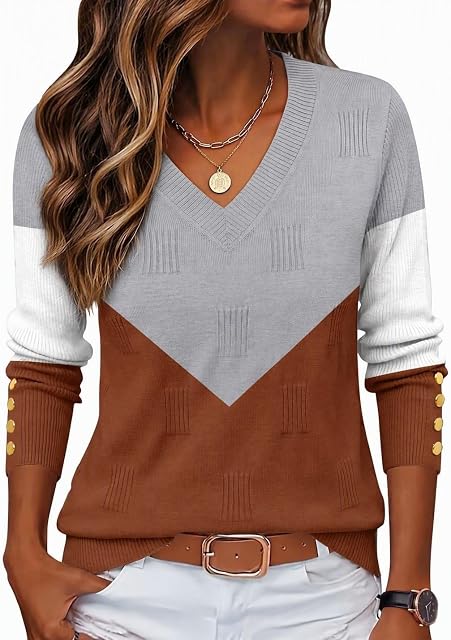
EVALESS Women's Striped Short Sleeve Knit Sweater Top | Crew Neck Sweaters,Cap Sleeve Pullover,R
$14.99
View on Amazon →

Published 17 September 2026 · updated 2026-09-17 · by FashionBookings
Most women wear roughly a fifth of their wardrobe on any given week. The rest — the impulse buys, the "one day" pieces, the sale bargains — just takes up space. A capsule wardrobe is the direct fix.
A capsule wardrobe is a curated set of around 30–40 versatile women's clothing pieces that all work together. Stick to a consistent colour palette, focus on quality fabrics, and choose cuts that genuinely suit you — and you will reach for something different every day without ever feeling like you have nothing to wear.
The term was coined by London boutique owner Susie Faux in the 1970s: a small collection of timeless, high-quality clothes you can build outfit after outfit from, supplemented each season by a handful of trend pieces.
The key word is versatile. Every item in a capsule wardrobe needs to earn its place by working with at least three or four other pieces you already own. If a blouse only works with one specific skirt, it is a costume, not a capsule piece.
A capsule is not a minimalist manifesto, either. Thirty items is a starting point, not a rule. Some people thrive with 25; others need 50 because their work and social life are genuinely varied. The goal is that nothing in your wardrobe goes unworn — not that you own as little as possible.
There is no magic number, but the most workable capsule wardrobes tend to fall between 30 and 45 items — not counting underwear, gym kit or occasion-specific pieces like ski gear or a wedding outfit.
A useful starting framework is the 3-3-3 audit: for every item you are considering keeping, ask whether it goes with at least three other things, whether you have reached for it in the last three months (or would have, in the right weather), and whether you would buy it again today at full price.
| Category | Suggested count | Notes |
|---|---|---|
| Tops (blouses, tees, shirts) | 8–10 | Mix of casual and smart-casual |
| Knitwear and jumpers | 3–4 | Essential for the British climate |
| Trousers and jeans | 3–4 | Include one smarter pair |
| Skirts | 1–2 | Optional depending on lifestyle |
| Dresses | 2–3 | One daytime, one smart-casual |
| Outerwear (coats, jackets) | 2–3 | Waterproof layer plus smart coat |
| Footwear | 4–5 pairs | Boots, trainers, flats, one heel |
| Bags | 2–3 | Everyday tote, work bag, evening |
This puts you at roughly 30–40 items before accessories. If your life is mostly casual — one workplace, a predictable social schedule — you can cut generously. If you travel for work or move regularly between formal and relaxed settings, you will need a little more.
A functioning capsule wardrobe has a backbone of basics, a layer of character pieces, and the right outerwear for where you actually live.
Backbone pieces do the heavy lifting. They are the items you wear most often, tend to be the most neutral, and make everything else work. Think a well-cut white or cream shirt, dark-wash straight-leg jeans, tailored trousers in a neutral tone, and a fine-knit crewneck you can layer under a blazer or over a collared shirt.
These pieces do not need to be expensive, but they do need to fit well. A white shirt that pulls across the shoulders, or jeans that gap at the waist, will never get worn no matter how classic they are. Fit is not negotiable on backbone pieces.
Character pieces are what stop a capsule feeling like a uniform. A printed midi skirt, a boldly coloured blazer, a silk blouse in a tone that suits your colouring — these are what make the outfits feel like you. Aim for three to five.
The trick with character pieces is to choose colours that already exist in your backbone palette. If your basics run to navy, cream and camel, a rust or terracotta piece slots straight in. Something that sits entirely outside the palette will always feel awkward to style.
Outerwear is where British wardrobes live or die. You need, at minimum: a waterproof outer layer (a mac, trench or packable rain jacket), a smarter mid-layer (a tailored coat or wool blend), and ideally a casual third option like a denim jacket or overshirt for the shoulder seasons.
The rain jacket is non-negotiable. A beautiful wool coat worn in a downpour and dried badly is a wool coat that will not last the winter.
Britain's weather does not reward seasonally rigid capsule wardrobes. A summer linen dress needs a cardigan in August; a winter coat needs to be cut loosely enough to layer a chunky knit underneath in January.
The most durable approach is layering depth: building your core around pieces that transition well across the year. Lightweight merino sits comfortably under a blazer or over a thermal vest. A cotton midi dress works with knee boots in October and sandals in June.
Before you buy anything new, check it mentally against at least three outfits you would actually wear. If you can build them from items already in your wardrobe, buy it. If you are imagining hypothetical future purchases to complete the look, put it back.
When buying for the British year-round, prioritise these fabrics:
The fastest way to waste money building a capsule wardrobe is to buy cheap basics that pill, shrink, or lose their shape after three washes. The slowest way is to spend a fortune on precious fabric you then feel too anxious to actually wear.
The sweet spot is mid-market quality in the right fibres, looked after correctly.
On the label:
On the garment itself:
Pre-packaged capsule sets — five tops and three trousers sold together as a complete wardrobe — are photographed by professionals and look cohesive on screen. But the colour palette is chosen to look good in product photos, not to match what you already own, and sizing is often uniform across items even when your actual measurements differ. Buy pieces individually and check each against your real wardrobe before committing.
The single biggest reason capsule wardrobes fall apart is a colour palette that does not hold together. Ten pieces individually lovely, but nothing that goes with anything else.
The most versatile capsule palettes are built around two or three neutrals — navy, grey, black, white, camel, stone or ecru — plus one or two accent colours you genuinely look good in and actually enjoy wearing.
A common mistake is defaulting to black as a universal neutral when you actually suit warmer tones. Black is the easiest neutral to shop, but it does not flatter everyone. If you find yourself in the changing room deciding you will make it work, that is the one to leave on the rail.
Practical colour palette test: hold each piece you are considering against a top you already know looks good on you. If it clashes or flattens your complexion next to something you know works, it will create the same friction every single morning in your wardrobe.
Seasonal trend colours work well in small doses — one or two pieces per season — but build your backbone in colours that do not date. Outerwear in particular should be chosen for longevity: a camel coat or navy wool blend will look right for years, while something very on-trend one winter tends to feel conspicuous once that moment has passed.
Before buying a single new item, do the full audit. Pull everything out of your wardrobe, drawers and coat hooks. Wash and press everything so you are judging from its best state, not its Monday-morning-crumpled state.
Ask of each item:
Anything that fails questions 1 or 2 goes. Anything that fails 3 or 4 is a judgement call — a small exceptions pile for genuine occasion pieces is fine. But be honest with yourself. The phrase "I might wear it" is exactly how the 80 per cent you never touch got into your wardrobe in the first place.
What remains after the audit is your real starting point. Compare it against the category table above and you will see clearly where the genuine gaps are — and those are the only things worth buying.
The practical benefit of a well-built capsule wardrobe is not minimalism as a lifestyle philosophy, though that can follow. It is the morning. When every item in your wardrobe fits, works with everything else, and genuinely suits you, getting dressed takes minutes rather than a frantic half-hour ending in a compromised outfit.
Build it right once — then maintain it with one small seasonal edit rather than a full annual overhaul — and it becomes one of those rare, unglamorous improvements that actually sticks.


Most workable capsule wardrobes contain between 30 and 45 pieces, not counting underwear, gym wear or occasion-specific items. The right number depends on how varied your life is — one workplace and a predictable social schedule might mean 25 is plenty; a job that moves between formal and casual settings will likely need closer to 40. The goal is that nothing goes unworn, not that you hit a specific count.
The difference is intentionality. Owning fewer clothes can still mean a wardrobe full of mismatched pieces that do not work together. A capsule wardrobe is specifically built so that every item works with several others, the colour palette holds together, and everything fits well right now. The result is higher outfit yield per item, not simply a smaller total number of garments.
Start with what you already own. Do a proper audit, keeping only what fits, works with other pieces, and is in good condition. Then identify the real gaps in your wardrobe — usually outerwear, a reliable smart-casual top, or a versatile dress — and fill those one at a time. Buying fewer, better pieces is almost always cheaper over a year than regular impulse purchases that get worn twice and forgotten.
A well-built capsule needs only a small seasonal edit — swapping in lighter layers for summer or heavier knitwear for winter — rather than a full overhaul each year. Most people find a 30-minute review at the start of each season is enough: check for anything that has worn out, identify one or two genuine gaps, and add only what solves a real problem. Resist trend-driven restocking; the whole point is that most of it lasts.
As an Amazon Associate we earn from qualifying purchases. Prices and availability are accurate as of the date shown and are subject to change — the price on Amazon at checkout is the one that applies.
Women's US fashion worth buying this month: knit tops and sweaters from £9.99–£31.69, rated 4.1–4.6 stars, plus how to spot fake d
Find the best women's activewear leggings sets for under $40 — what to check for fabric quality, support, fit, and value before yo
How to choose activewear that lasts through hard training: fabric blends, seam construction, fit by activity and washing tips for